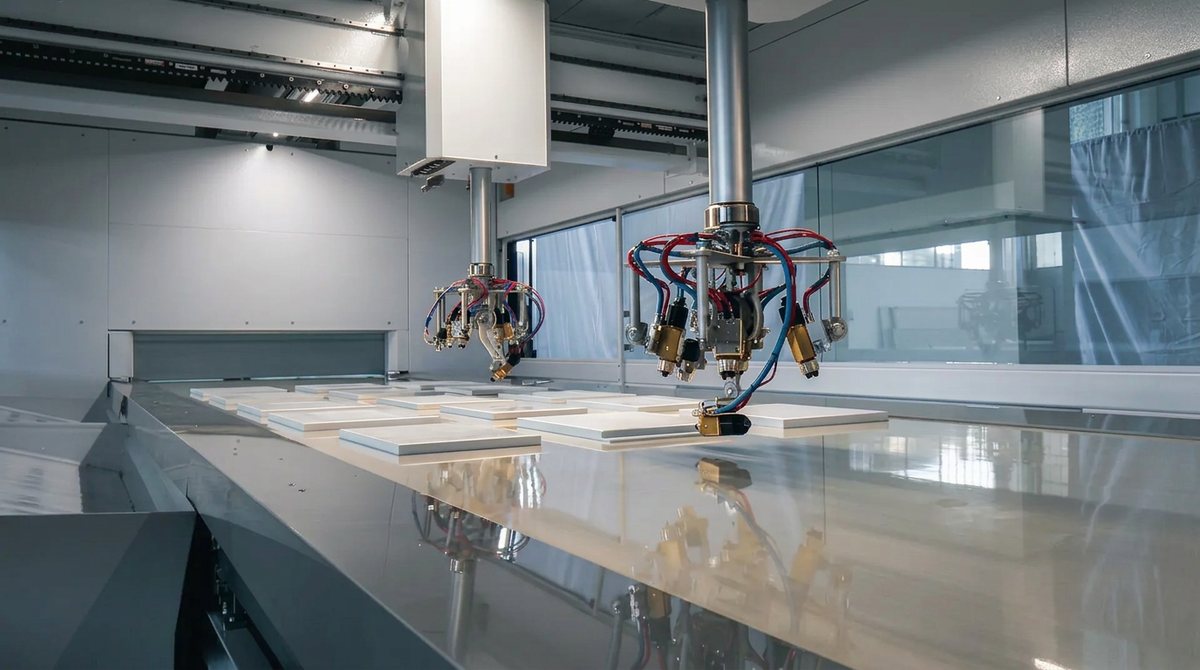
Spray Finishing
Two-pack lacquering, dead matt to full gloss
Clear or coloured, dead matt to full gloss, hard enough for daily use.
What this is
Lacquer is what makes a finish last. We use two-pack polyurethane for the hard-wearing work and water-based systems where low odour or lighter colour retention matters, and we tell you which one suits your job.
- Any sheen — Measured with a gloss meter, so a repeat batch matches the first.
- Clear over timber — Grain kept open or filled and polished, your choice.
- Hard-wearing — Suitable for kitchen fronts, worktops surrounds and commercial use.
- Sample first — A sprayed sample board sent before the job runs.
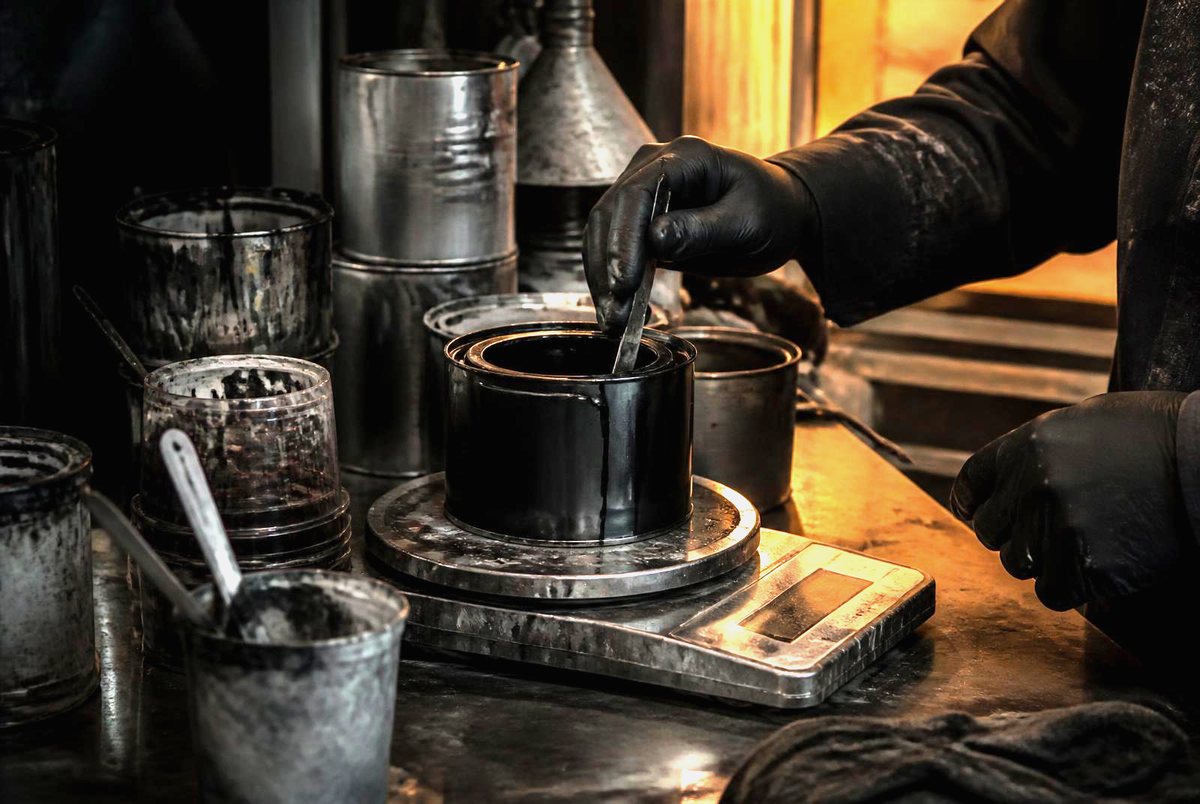
On the floor
How lacquering runs here
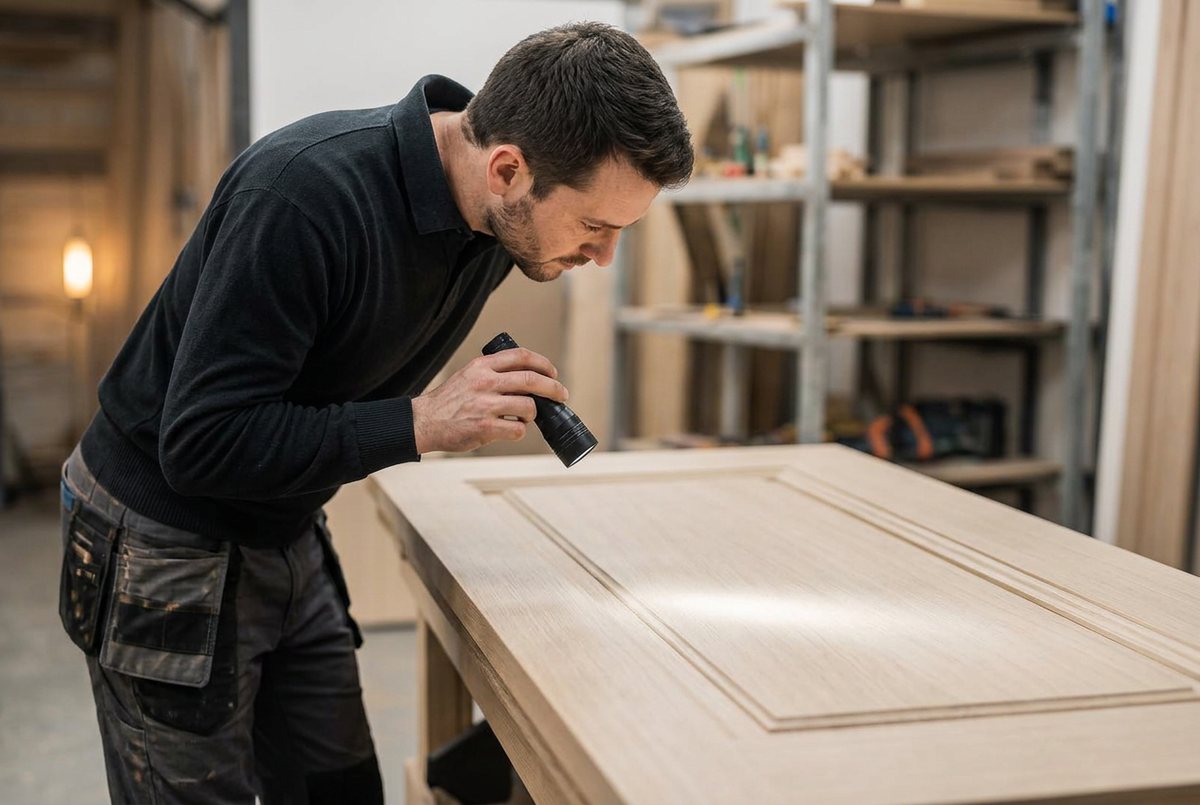
Clear or coloured, dead matt to full gloss, hard enough for daily use. Sheen is mixed and sprayed to a number, then checked under a strong light before wrapping.
- Systems
- Two-pack PU, water-based, UV where suitable
- Sheen range
- 5% to 90% gloss
- Cure
- Heated booth cure, handled after 24 hours
Why this matters
Why people use us for lacquering
What you actually get out of putting lacquering through us, rather than a price list.
- 01
Matt through to gloss
Dead matt, satin, semi-gloss or full mirror polish — the sheen is chosen and sampled before we spray.
- 02
Hard enough for daily use
Two-pack lacquers cure hard, so kitchen fronts and counters take fingernails and cleaning without marking.
- 03
Clear or coloured
Clear over veneer to keep the grain, or pigmented for a solid colour, from the same booths.
- 04
Sampled before committing
A sprayed sample on your material, at your sheen, signed off before the run goes through.
How it goes
Any sheen, measured
Sheen is mixed and sprayed to a number, then checked under a strong light before wrapping.
How it fits our process
One programme, start to finish
Where lacquering sits in the run, and what happens either side of it in the same building.
- Stage 1
Colour and sample
Matched to RAL, NCS, Pantone or your sample, sprayed on a board for sign-off.
- Stage 2
Collected or delivered in
We collect locally on our own vans, or you drop it at the workshop.
- Stage 3
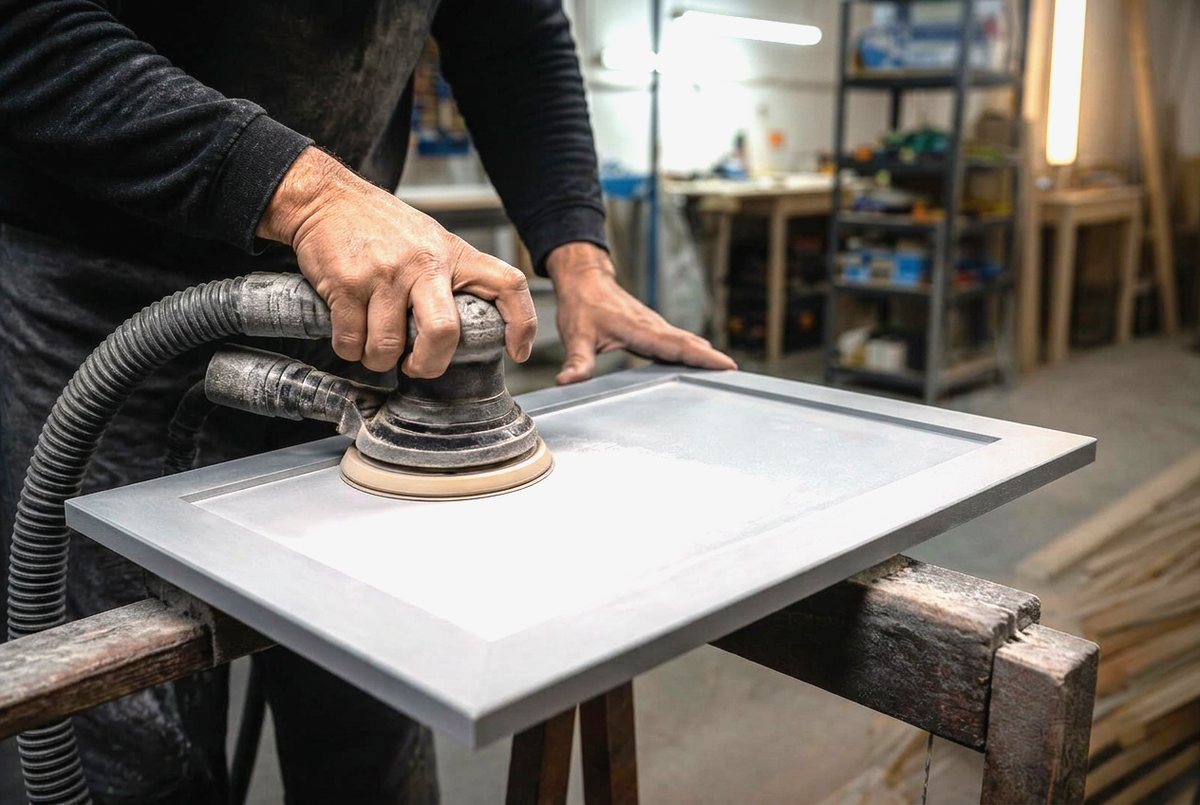
Prepared
Cleaned, filled, sanded and masked — the part of the job the finish depends on.
- Stage 4
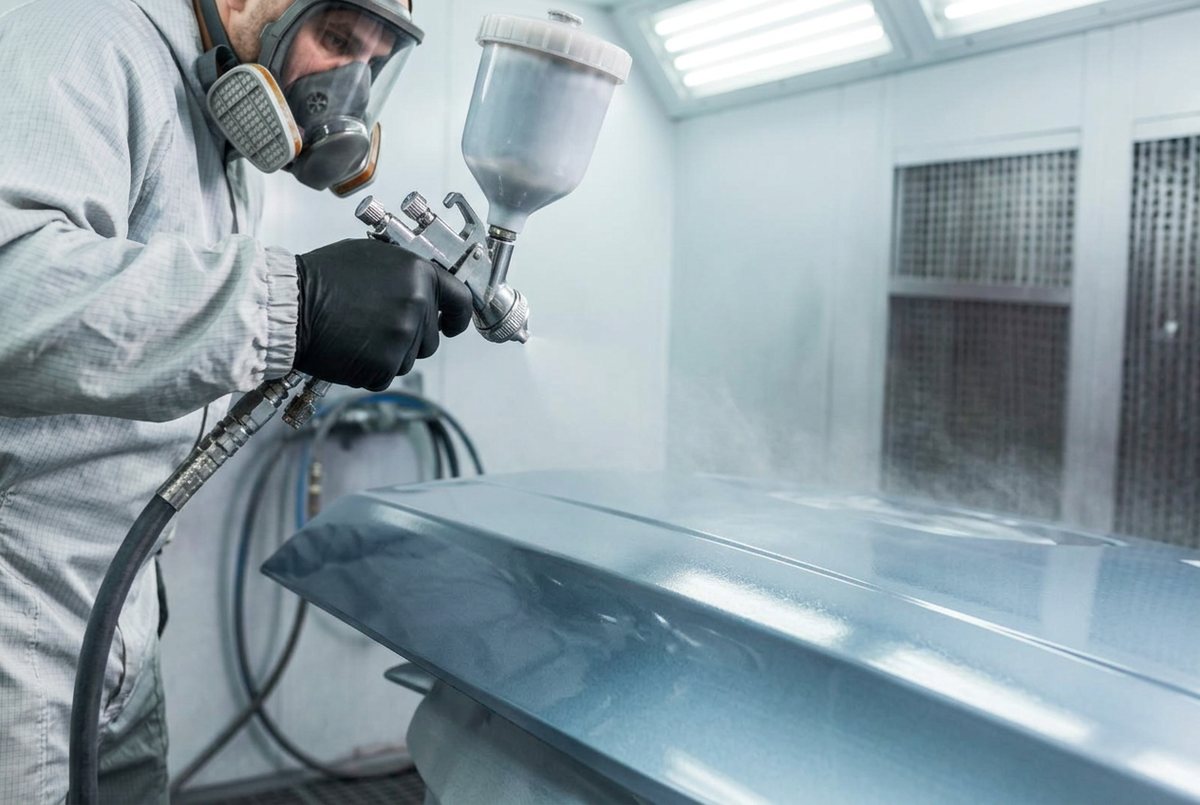
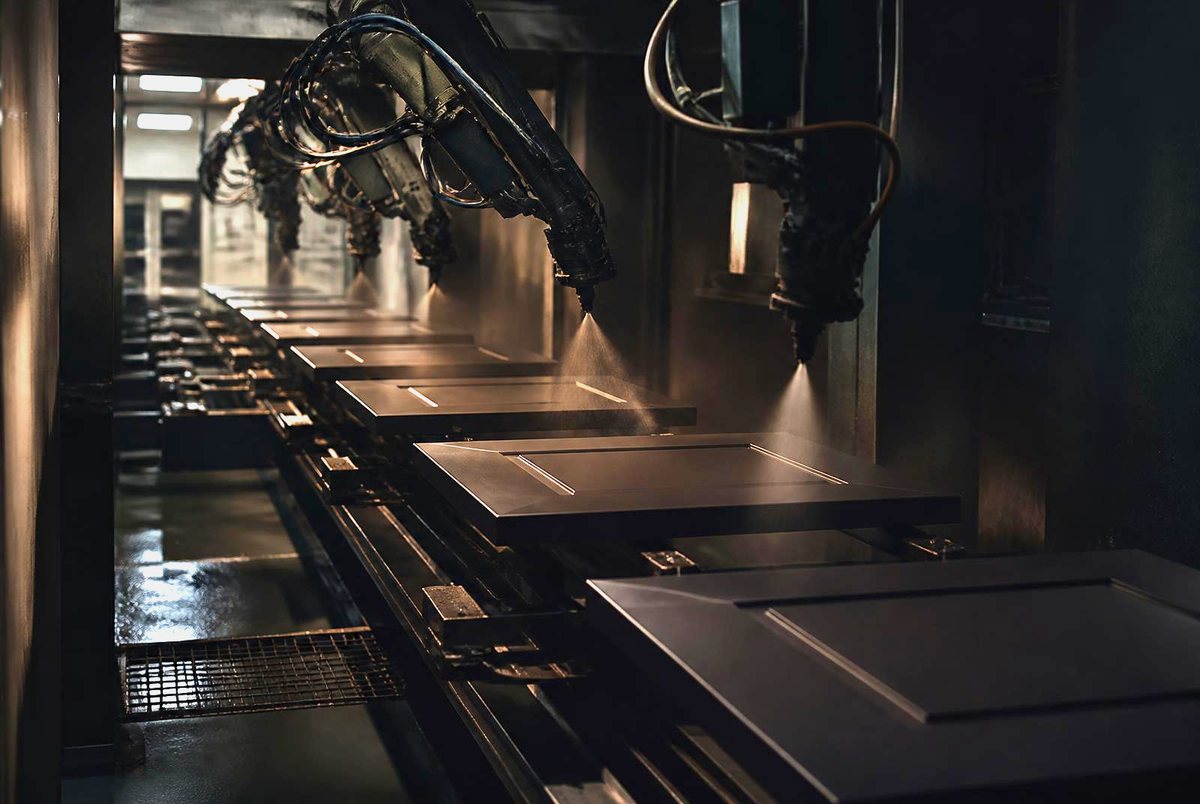
Primed and topcoated
Robotic line for volume, hand booths for one-offs and assemblies.
You are here - Stage 5
Checked and returned
Inspected under strong light, wrapped, then delivered or refitted.
Questions we are asked
Which is tougher, matt or gloss?
The lacquer is the same. Gloss shows marks less on the surface but shows dents more; matt hides knocks better.
Can you polish to a mirror finish?
Yes — high gloss is flatted and machine-polished. It takes longer, so it is priced separately.
Which sheen wears best?
Satin and semi-gloss hide daily marks best. Dead matt looks superb and shows fingerprints; full gloss shows every ripple underneath.
Can you lacquer over veneer?
Yes. Clear lacquer keeps the grain, and we can tint it to warm or cool the timber before it goes on.
Often ordered with this
What it costs
Prices and dates for lacquering
A set of walnut veneered panels lacquered clear at 20% sheen. That is a guide taken from work we have actually run — your own price for lacquering is confirmed in writing once we have the sizes or the drawings, and the date we give you is the date we hold.
- Rough price
- From about £52 plus VAT a panel
- How long
- 4 to 6 working days
- Invoiced by
- Painted Ltd
Proof
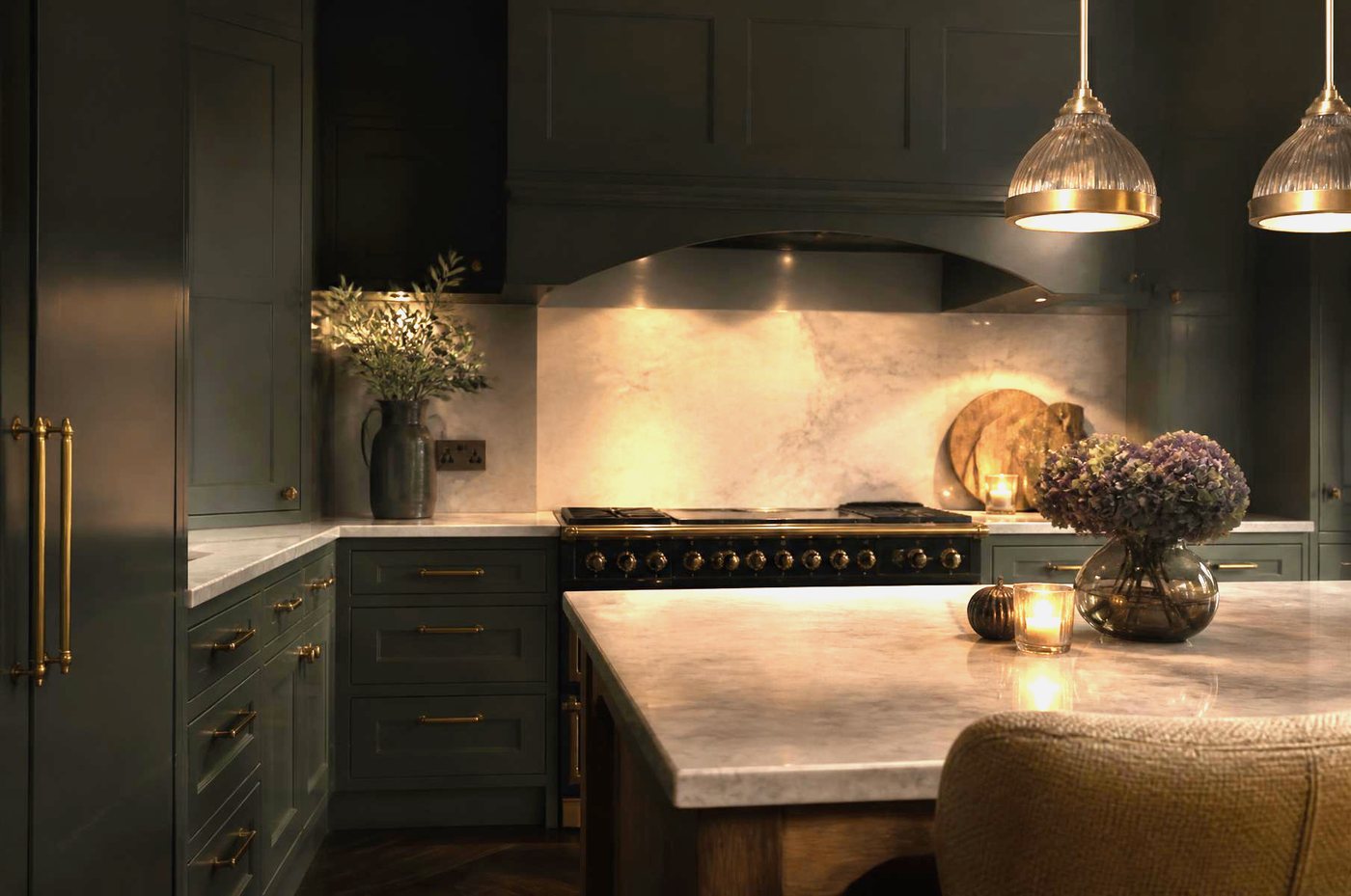
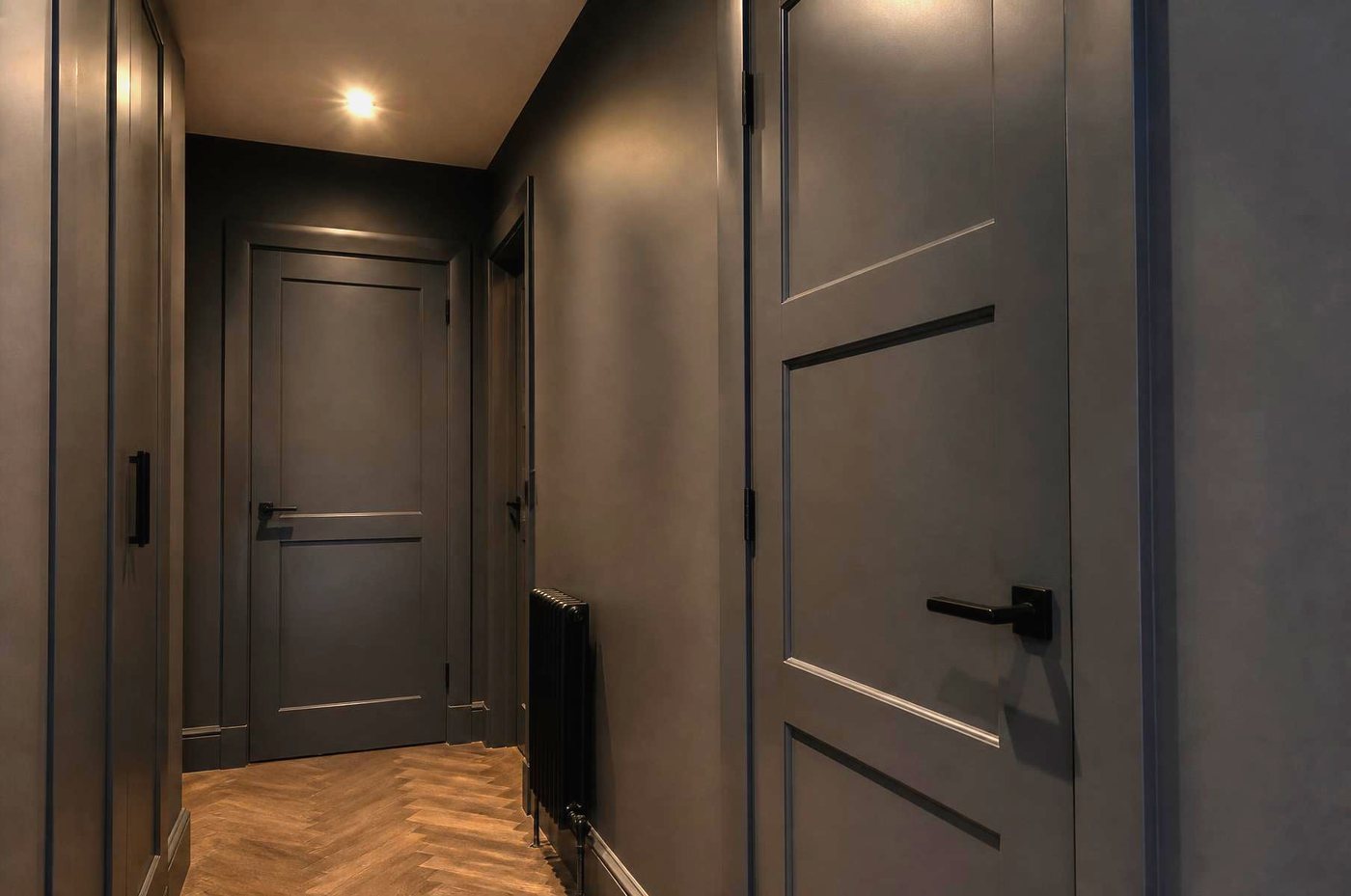
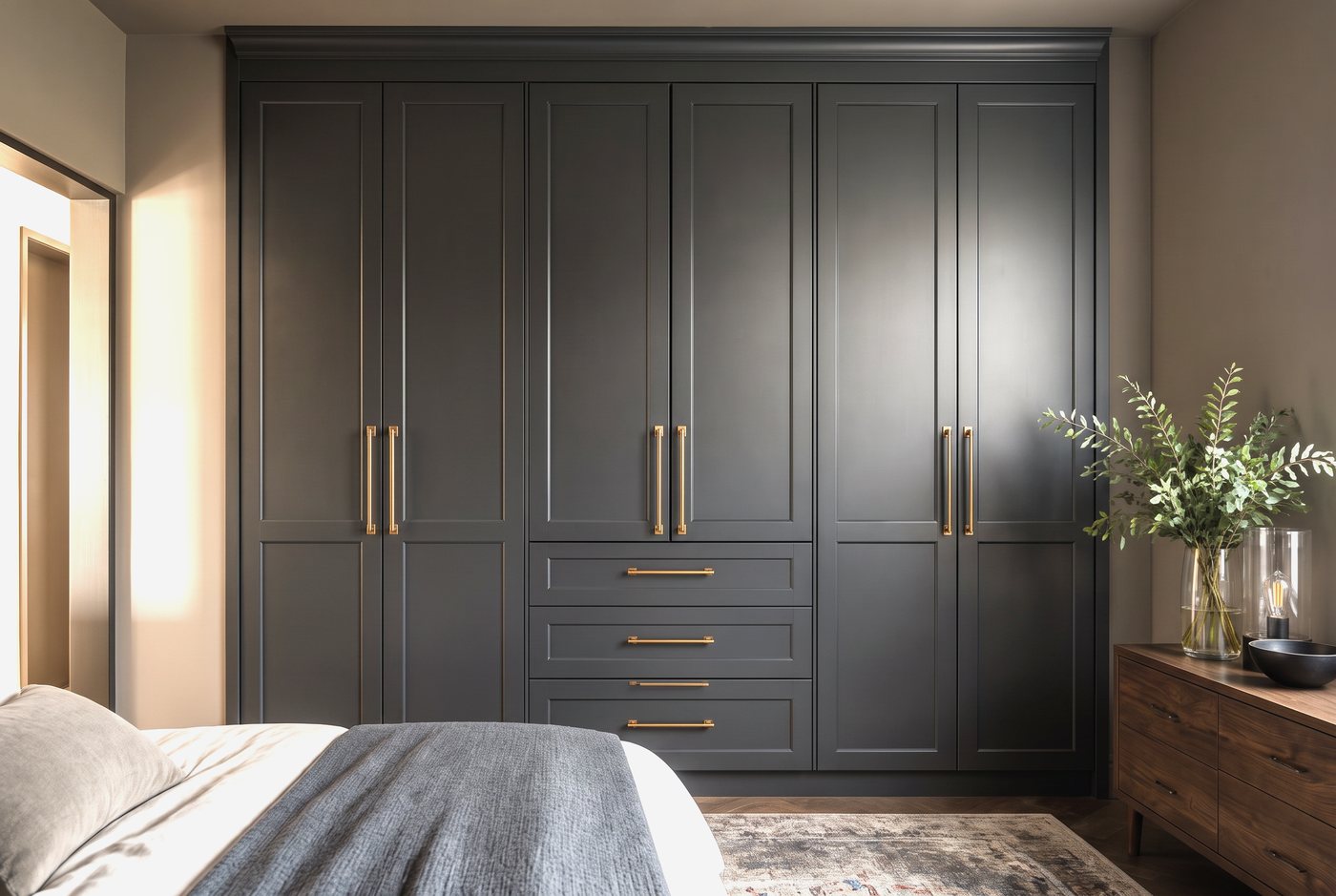
Recent work of this kind

Next step
Tell us what you need
Send drawings, sizes or photographs and we will price it in writing, usually within two working days. If it is quicker to talk it through, call 020 8944 2817 and you will get someone who knows the machines.
What we need, what you get
Send sizes, materials and the finish you want — drawings in any form, or photos and a few measurements. Back you get a fixed written price, a date we hold to, and the work delivered to site on our own vans from our workshop in Croydon.
Machining, finishing and assembly all happen in the same building, so nothing waits on another supplier and nothing gets damaged being moved between them.
See the machinery